If you live in Singapore long enough, the MRT stops feeling like public transport and starts feeling like part of your daily rhythm. It’s where mornings begin, evenings unwind, and entire routines quietly fall into place. You plan your day around it. You judge locations by how close they are to a station. You instinctively know which carriage doors will open nearest to the escalator.
Welcome to life on the Singapore MRT.
This isn’t just about getting from Point A to Point B. It’s about the habits, the silence, the shared rules no one really teaches you – and how this train system shapes everyday life in ways you only notice once you’ve lived it.
The MRT as a Way of Life
In many cities, public transport is something you tolerate. In Singapore, it’s something you rely on.
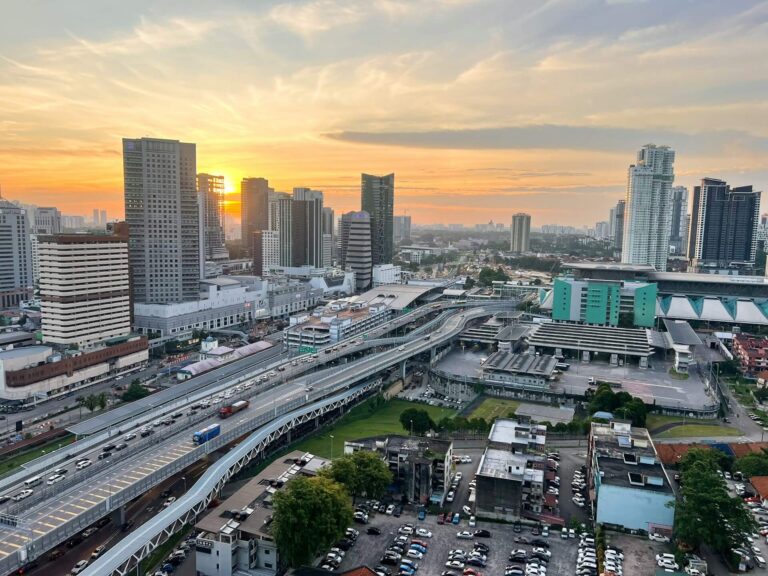
The MRT connects neighbourhoods, business districts, malls, parks, and entire lifestyles. One look at the mrt map and you’ll understand why – the network stretches across the island like a carefully planned web, designed to make daily movement easy and predictable.
Whether you’re heading to work, meeting friends, or running errands, the MRT quietly keeps everything moving.
And as new mrt stations continue to open, places that once felt far suddenly feel closer. Areas transform. Property values shift. Weekend plans expand. Life adjusts.
That’s the power of good infrastructure – you don’t think about it much, because it just works.
Morning Commutes: Silent, Focused, Efficient
Morning MRT rides have a very specific energy.
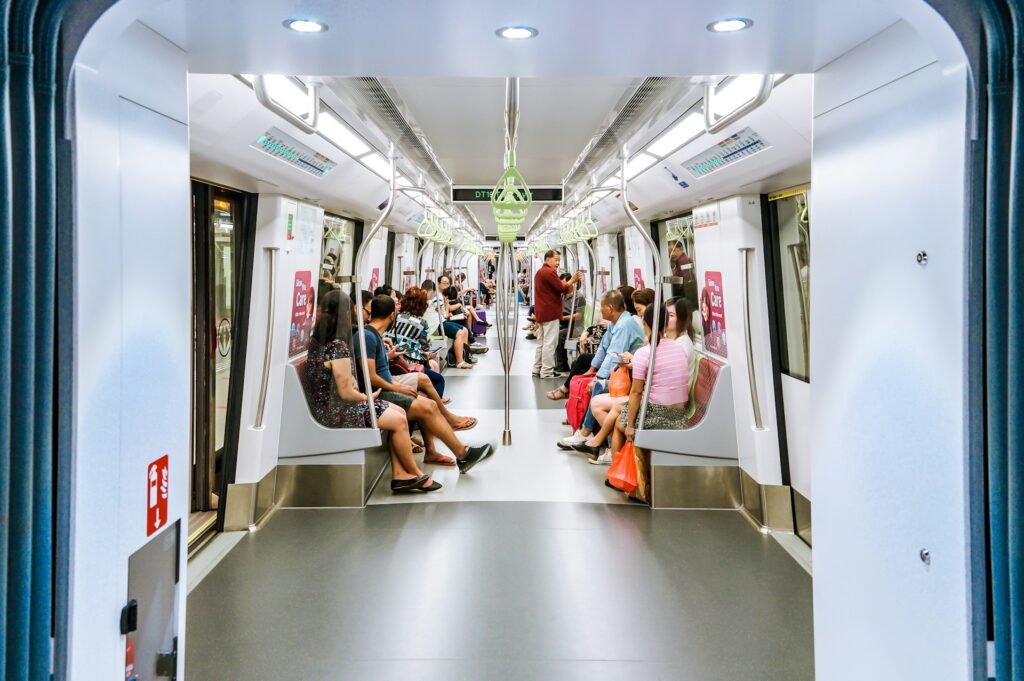
People stand in neat lines. Phones come out. Earphones go in. Conversations drop to whispers or disappear completely. It’s not rude – it’s respectful. Everyone understands that this is shared space, and silence is part of the deal.
You’ll see familiar faces if you take the same route every day. The auntie who always boards at the same door. The guy who reads on his tablet. The office crowd that pours out at stations like orchard mrt, where the city’s commercial pulse beats the strongest.
No one talks much, but there’s a strange sense of togetherness in that quiet routine.
The Unspoken MRT Rules Everyone Follows
No one hands you a rulebook when you move to Singapore. You learn MRT etiquette by observation.
Some rules are obvious:
- Stand on the left, walk on the right
- Let passengers alight before boarding
- Don’t block doors
- Don’t eat or drink
Others are more subtle.
You don’t play loud videos.
You don’t lean on poles if others need them.
You give up priority seats without making a scene.
And if you break one of these unspoken rules, you’ll feel it immediately – not through confrontation, but through silence and side glances.
It’s quiet social accountability, Singapore-style.
Stations That Feel Like Landmarks
Some MRT stations are more than just stops. They’re reference points in daily life.
Orchard mrt isn’t just a station – it’s shopping, work meetings, dinner plans, and long walks through air-conditioned malls.
Chinatown mrt drops you straight into heritage streets, food spots, and cultural landmarks within minutes of tapping out.
Marina bay mrt feels sleek and futuristic, surrounded by glass buildings, waterfront views, and late-night city lights.
Woodlands mrt tells a different story – cross-border movement, family neighbourhoods, and a slower pace compared to the city centre.
Each station has its own personality, shaped by the people who pass through it daily.
How the MRT Shapes Social Life
In Singapore, “near MRT” is often the first question asked when choosing a place to live, eat, or meet.
Because the MRT makes everything accessible, social plans feel easier. You don’t need to drive. You don’t need to plan parking. You just hop on a train.
This changes how people live:
- Late dinners feel doable
- Weeknight meetups happen more often
- Events feel less intimidating to attend
Even nights out are planned around the mrt last train. You’ll hear it casually mentioned in conversations:
“Last train at 12.10, okay?”
It’s not restrictive – it’s just how the city moves.
MRT Fares and Everyday Affordability
Let’s talk practical for a moment.
The mrt fare system is simple, transparent, and distance-based. You tap in, you tap out, and you know roughly what you’re paying every time.
Compared to owning a car, the MRT is incredibly cost-effective. This matters in a city where the cost of living is often discussed. For many people, reliable public transport offsets bigger expenses elsewhere.
It’s one of the reasons Singapore feels manageable, even when prices rise.
The Comfort of Predictability
One of the biggest lifestyle benefits of the MRT is predictability.
Trains arrive on time. Platforms are clearly marked. Announcements are calm and consistent. Even disruptions are handled with clear instructions.
You don’t build buffer time for chaos – you build buffer time for coffee.
That reliability reduces daily stress in ways you don’t fully appreciate until you experience a system that doesn’t work as smoothly.
Visitors Notice It. Residents Depend on It.
Tourists often talk about how clean and efficient the MRT is.
Residents stop talking about it – because it’s simply part of life.
And that difference matters.
The MRT doesn’t just help people move around Singapore. It supports the lifestyle that makes people stay. It enables long workdays without exhaustion, spontaneous plans without hassle, and a sense that the city is designed to support daily living.
That’s why so many people visit Singapore, admire the system, and quietly start imagining what life here could be like.
Final Thoughts
Life on the Singapore MRT is calm, structured, and quietly efficient – much like the city itself.
It’s daily commutes without chaos.
Rules that don’t need explaining.
Etiquette that keeps shared spaces comfortable.
From orchard mrt to woodlands mrt, from marina bay mrt to chinatown mrt, the MRT isn’t just infrastructure. It’s part of the Singapore experience.
And once you get used to it, it’s hard to imagine life without it.